Walk into any dental trade show and you'll be surrounded by whitening products. Gels, strips, pens, LED kits, take-home systems, in-chair systems. Every stand has a professional teeth whitening gel that promises remarkable results, and most of them lead with the same thing: a big, bold percentage on the front of the box. 35% hydrogen peroxide. 44% carbamide peroxide. The numbers get thrown around like they're the whole story.
But here's the thing. After years of conversations with colleagues about what actually works in practice, what consistently delivers predictable outcomes without the sensitivity fallout and the patient callbacks, we've come to appreciate that the percentage on the label is really just the opening line. The real story is in the chemistry underneath it. And that story is genuinely fascinating once you start pulling at the threads.
HP vs CP: Two Very Different Clinical Conversations
Let's start with the most fundamental distinction, because it shapes everything that follows. Hydrogen peroxide and carbamide peroxide are not simply different concentrations of the same thing. They're different clinical tools with different pharmacokinetics, different ideal use cases, and different risk profiles.
Hydrogen peroxide is the direct bleaching agent. It's fast-acting, highly reactive, and begins oxidising chromogens almost immediately upon contact with the tooth. That makes it the natural choice for in-chair protocols where you want visible results within a single appointment. The trade-off is that its activity window is short: most HP gels are substantially depleted within thirty to sixty minutes. You're getting a burst of intense activity followed by a rapid tailing off.
Carbamide peroxide, by contrast, is a prodrug. It breaks down into approximately one-third hydrogen peroxide and two-thirds urea over a sustained period, typically six to eight hours. That slow-release profile makes it ideal for overnight tray-based protocols. The urea component isn't just a byproduct either; as it decomposes into ammonia and carbon dioxide, it raises the local pH, which actually stabilises the peroxide and extends the active window. There's an elegance to that chemistry that's easy to overlook when you're just comparing numbers on a syringe.
The clinical takeaway? A 16% carbamide peroxide gel yields roughly 5.6% hydrogen peroxide, but delivers it over many hours rather than all at once. Comparing it directly to a 6% hydrogen peroxide gel on concentration alone misses the point entirely. Total peroxide exposure over the treatment window is what drives outcomes, and a lower-concentration sustained release can match or exceed a higher-concentration burst.
The pH Factor That Too Many Products Ignore
Here's where the conversation gets really interesting, and where we think a lot of the industry has been asleep at the wheel for far too long. The pH of a whitening gel isn't a minor technical detail. It's one of the most clinically significant variables in the entire formulation, and it rarely gets the attention it deserves.
Most conventional whitening gels are formulated at a slightly acidic to neutral pH, somewhere in the range of 3.5 to 7. There are practical reasons for this: acidic conditions can help stabilise hydrogen peroxide in the tube, extending shelf life. But once that gel is sitting against the tooth surface for hours, the implications of an acidic environment become much less convenient. Acidic conditions promote demineralisation of the enamel surface. They inhibit the natural remineralisation processes that calcium and phosphate in saliva would normally support. And they can exacerbate the very sensitivity that's already the most common patient complaint during whitening protocols.
Think about that for a moment. The most widely used professional whitening gels are actively working against the enamel while they're whitening it. Not dramatically, not catastrophically, but persistently. Every hour that an acidic gel sits in a tray is an hour where the enamel environment is being pushed in a direction you wouldn't choose if you had the option.
An alkaline formulation flips that equation entirely. When the gel environment sits above pH 7, it actively encourages calcium and phosphate uptake into the enamel. Remineralisation isn't just "not being inhibited"; it's being promoted. The tooth is getting stronger while it's getting whiter. That's not a subtle distinction. That's a fundamentally different proposition for your patients and for the long-term health of their enamel.
Beyond the Percentage: What Else Should You Be Evaluating?
When you're choosing a professional teeth whitening gel for your practice, concentration and active ingredient are the obvious starting points. But the clinicians we've spoken to who are happiest with their whitening outcomes tend to be evaluating several other factors that don't always make the marketing materials.
Viscosity and tray adaptation matter more than most people give them credit for. A gel that's too thin will migrate out of the tray and onto the gingiva, causing soft tissue irritation and reducing the contact time with the tooth surface. Too thick, and it won't distribute evenly, leading to patchy results that undermine patient confidence in the treatment. The best formulations find a viscosity sweet spot where the gel stays put in the tray while maintaining consistent contact across all surfaces.
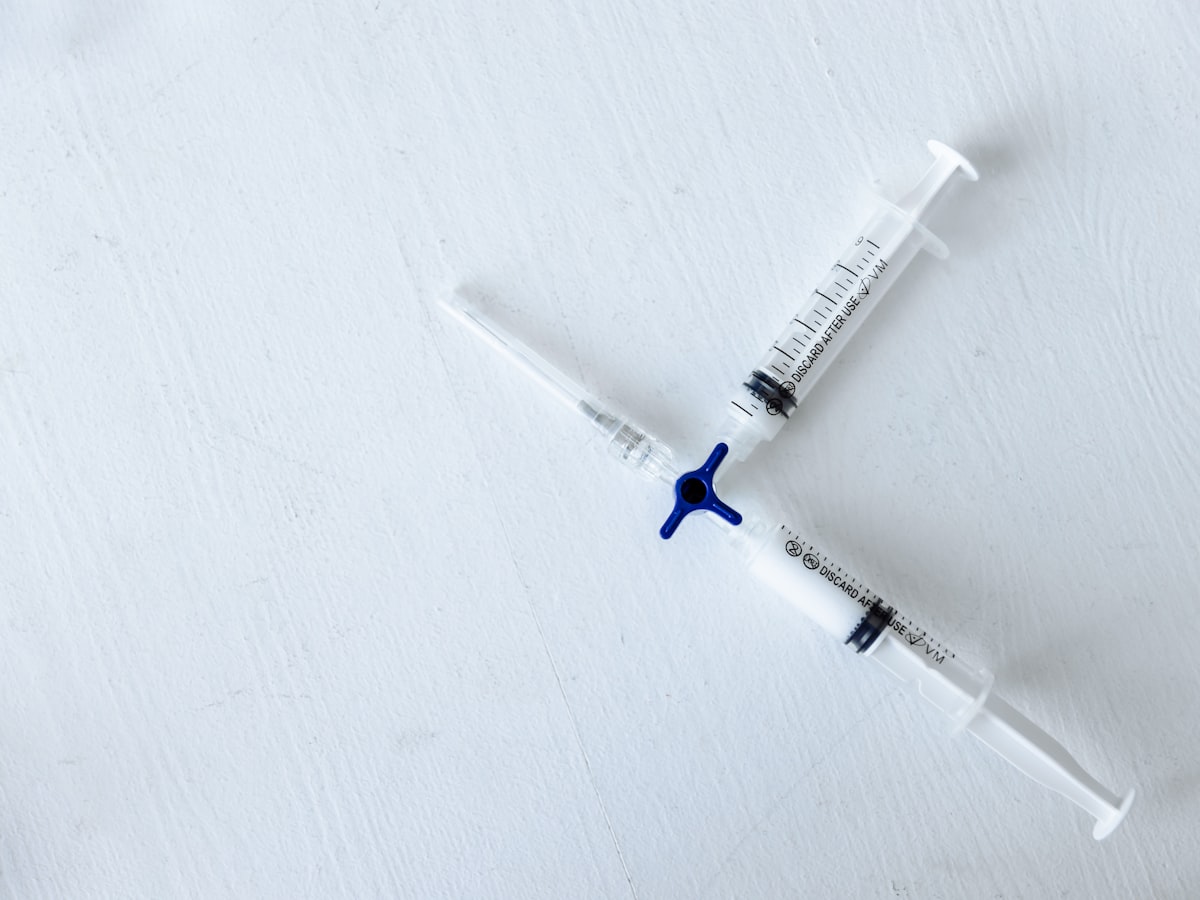
You'll also want to think about the delivery mechanism itself. Syringe-loaded custom trays remain the gold standard for take-home protocols because they give you control over gel placement, volume, and coverage. Pre-loaded systems and universal trays can be convenient, but they sacrifice the precision that makes the difference between good results and genuinely excellent ones. For practices already fabricating custom trays or using patients' existing retainers, syringe-based gels integrate seamlessly into the workflow.
Ingredient transparency is another one worth paying attention to. Some products bury their active concentration, pH, or additional ingredients behind proprietary blend language. As clinicians, we should be able to see exactly what we're putting against a patient's teeth and at what concentration. If a manufacturer isn't forthcoming about the formulation details, that tells you something.
DWC8: the Alkaline Approach in Practice
This is where we want to talk about something specific, because DWC8 represents a genuinely different philosophy in whitening gel formulation, and it's worth understanding why.
DWC8 is an alkaline carbamide peroxide gel. That sounds simple enough, but the implications run deep. By maintaining an alkaline environment throughout the treatment window, DWC8 actively promotes remineralisation while the whitening process is taking place. Calcium and phosphate uptake into the enamel is encouraged rather than inhibited. The dentinal tubules that would normally be transmitting sensitivity signals become progressively occluded as the enamel strengthens around them.
The practical result is a whitening gel that desensitises while it whitens. Not as a side effect, not as a secondary claim; it's built into the fundamental chemistry of the formulation. For patients with existing sensitivity, this means whitening becomes an option where it previously wasn't. For patients without sensitivity, it means they're significantly less likely to develop it during treatment. Either way, you're having a very different conversation at the consultation stage.
What we find particularly interesting is how this changes the clinical pathway. The traditional approach for sensitivity-prone patients has always been sequential: desensitise first, stabilise, then cautiously attempt whitening. With an alkaline formulation, those two processes run simultaneously. It's not just more convenient; it's a fundamentally more elegant solution because the mechanisms complement each other rather than competing.
Choosing Well for Your Practice
So what does all of this mean when you're standing in front of the product catalogue trying to decide what to stock?
Start with the chemistry, not the marketing. Know whether you're looking at hydrogen peroxide or carbamide peroxide, understand the effective HP concentration either way, and make sure you know the pH of the formulation. Those three data points will tell you more about how a gel will perform clinically than any amount of before-and-after photography.
Think about your patient mix. If you're seeing a lot of sensitivity (and most practices are), an alkaline formulation like DWC8 genuinely changes what you can offer. If you're primarily doing in-chair whitening for patients with healthy, resilient enamel, a well-formulated hydrogen peroxide gel at appropriate concentration might be your primary tool with a CP-based system for the take-home maintenance phase.
And pay attention to the details that don't make the headline: viscosity, syringe design, shelf stability, gel transparency (opaque gels make it harder to assess coverage in the tray). These are the small things that add up over hundreds of cases to make the difference between a whitening service that runs smoothly and one that generates callbacks.
The word "professional" on a whitening gel should mean something more than regulatory classification. It should mean the formulation was designed with the same depth of thinking that you bring to every other clinical decision you make. The chemistry should be sound, the pH should be intentional, and the outcomes should be predictable. That's the bar. And honestly, not nearly enough products clear it.