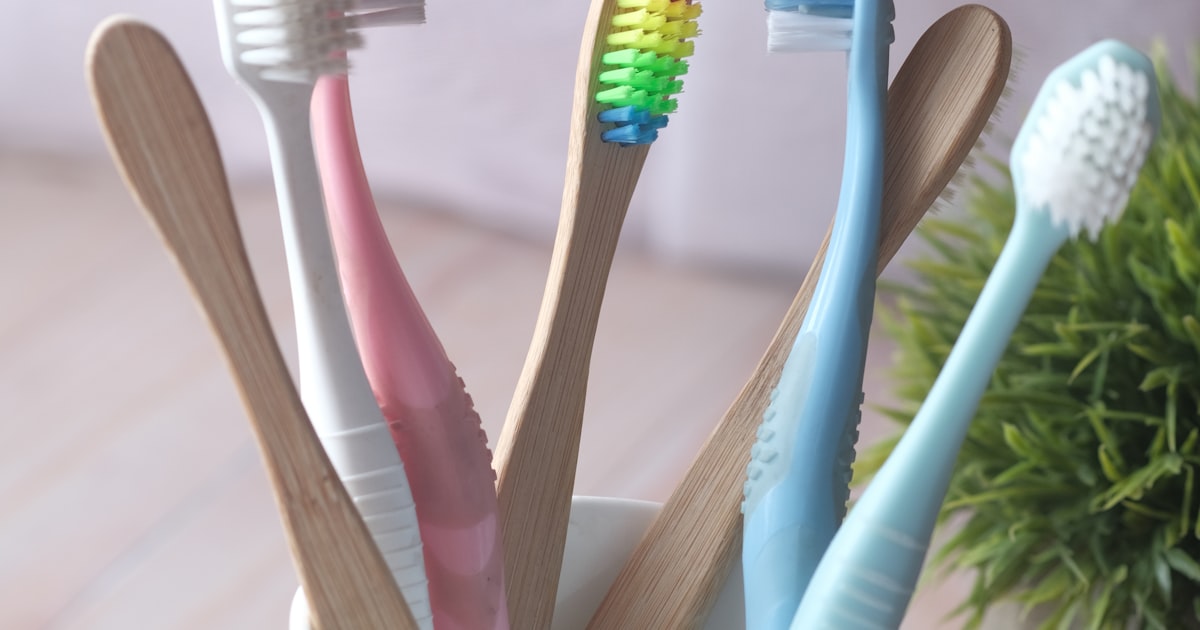
We all want our patients to succeed at home. That's the whole point, really. Every conversation we have at the chairside, every demonstration with the interdental brush, every carefully worded bit of encouragement about technique: it's all building toward the same thing. A patient who can genuinely manage their own oral biofilm between appointments.
And here's the thing. A lot of them are actually trying. The toothbrush comes out twice a day. The mouthwash gets a swirl. Some of them even floss (and mean it). So when they come back in and you can still see the plaque sitting there in all the usual places, it's worth asking a question that doesn't get asked enough: what can dental plaque removal at home realistically achieve? And what, honestly, is it always going to miss?
Because once you sit with that question properly, the whole conversation about home care shifts. It becomes less about compliance and more about realistic expectations, both for the patient and for us.
What Home Care Actually Does Well
Let's give credit where it's due. A patient with a decent brushing technique and a good quality toothbrush is doing genuinely meaningful work on their buccal and lingual smooth surfaces. The evidence on this is solid. Powered toothbrushes in particular, especially oscillating-rotating designs, have been shown in Cochrane reviews to reduce plaque scores significantly compared to manual brushing alone. That's real. That matters.
And when a patient actually commits to daily interdental cleaning, whether that's brushes, floss, or water flossers, they're addressing a surface area that the toothbrush simply cannot reach. Research in the Journal of Clinical Periodontology consistently shows that adding interdental cleaning to brushing produces measurably better plaque control than brushing alone. So when your patient tells you they've been using their TePe brushes every night, and you can see the difference in those interproximal spaces: that's a genuine win.
The point is, home oral care is not theatre. Done well, with the right tools and reasonable technique, it does a meaningful job on the surfaces it can access. The problem starts when we look at the surfaces it can't.
The Gaps That Home Care Can't Close
This is where things get interesting, and a little uncomfortable if we're honest about what we've been implicitly promising patients.
Subgingival biofilm is the big one. Once plaque matures below the gingival margin, even the most diligent home care routine cannot reach it effectively. The sulcus is a sheltered environment, warm and anaerobic, and the biofilm that establishes there is structurally different from what sits on supragingival surfaces. A toothbrush bristle, no matter how cleverly angled, is not getting 3mm below the gingival margin in any clinically meaningful way. Research published in the Journal of Dental Research has demonstrated that subgingival biofilm composition shifts toward pathogenic species within weeks of professional removal, regardless of supragingival oral hygiene quality. Your patient could be brushing beautifully and still be growing a periodontal problem in the sulcus.
Then there's the interproximal contact zone itself. Even patients who use interdental brushes regularly tend to clean the embrasure spaces rather than the actual contact point and the concavities just below it. The anatomy of posterior teeth, with their furcations and root concavities, creates niches that no home care device can fully access. Studies using disclosing agents after thorough home cleaning consistently show residual plaque in these areas. The patient thinks they've done a good job. Clinically, there's still biofilm sitting right where it can do the most damage.
And here's a conversation starter that most patients have never even considered: the tongue dorsum is one of the largest microbial reservoirs in the oral cavity, and it's almost entirely neglected in most home care routines. The papillary surface of the tongue provides an incredibly hospitable environment for bacterial biofilm, and while some patients do attempt tongue scraping, the gag reflex and general unpleasantness of the process means compliance drops off sharply within weeks. Research in Microbiome has linked tongue biofilm composition to systemic inflammatory markers, halitosis, and even cardiovascular health indicators. It's not a minor oversight; it's a whole ecosystem that home care barely touches. If you haven't already, our piece on why tongue hygiene deserves more chairside attention goes deep on this one.
Motivating Without Lecturing
So here's the tension. We know home care has real limits. But we also need patients to keep doing it, and to feel good about doing it, because the alternative (giving up entirely) is obviously much worse. How do you communicate "your home care is valuable but incomplete" without it sounding like "you're not doing enough"?
The behavioural science on this is actually quite encouraging. The most effective approach, according to research on motivational interviewing in dental settings, is to validate what the patient is already doing before introducing any new information. "Your brushing is clearly making a difference on these surfaces" is a completely different opening from "you're still missing these areas." Same clinical reality, completely different emotional experience for the person in the chair.
The concept of "partnership" language matters enormously here. Rather than positioning yourself as the expert correcting the patient's mistakes, you frame the relationship as collaborative: their job is the daily home care, your job is the bits that home care physically can't reach, and together you're covering the full picture. That framing respects their effort while being clinically honest about the limitations. And it actually makes the recall appointment feel like a necessary and valued part of their oral health, rather than an exam they might fail.
There's more on this in our broader look at rethinking chairside dental hygiene education, where we dig into the behavioural science of how to make these conversations genuinely stick.
Where Professional Tools Bridge the Gap
This is where the clinical picture gets really satisfying, because the gap between what home care can do and what the mouth actually needs is precisely the gap that your in-chair tools are designed to fill.
Think about what happens with a system like Magic 3. The colourless disclosure foam reacts with biofilm wherever it finds it, including those subgingival margins and interproximal zones that the toothbrush never reached. The patient can watch the foaming reaction happening on their own teeth and actually see, in real time, where their home care is falling short. That's not a lecture. That's visual, experiential feedback that teaches far more effectively than any verbal explanation could.
And here's what makes this particularly powerful in the context of home care conversations: because Magic 3 discloses and removes plaque simultaneously, the appointment itself becomes the demonstration of what comprehensive plaque removal actually looks like. The patient experiences a level of clean that their home routine simply cannot produce, and that sensory contrast is extraordinarily motivating. They leave understanding, in a felt rather than intellectual way, why regular professional care matters alongside their daily brushing.
For the tongue biofilm piece, having a professional tool like the TS1 in your workflow means you can actually address that massive bacterial reservoir chairside, comfortably and in about sixty seconds. The suction-based approach works with the tongue's sensitivity rather than against it, and patients consistently notice an immediate difference in how their mouth feels. That's the kind of chairside moment that opens up a whole new conversation about comprehensive oral care.
Reframing the Home Care Conversation
The real shift here isn't about telling patients their home care is inadequate. It's about building a clinical workflow where home care and professional care are clearly complementary, and where the patient can actually experience the difference.
When you use tools that make biofilm visible without the drama of traditional disclosing dyes, the educational moment happens naturally. When you address the tongue and the subgingival margins and the contact zones that home brushing misses, you're not undermining the patient's efforts. You're completing the picture that their toothbrush started.
And when you have that conversation openly, warmly, honestly, something shifts in the relationship. The patient stops seeing the hygiene appointment as a test they might not pass and starts seeing it as the essential other half of their oral health routine. That's good for them, it's good for your practice, and it's good for the long-term clinical outcomes we're all working toward.
If you're thinking about how your clinical toolkit supports this kind of complementary care model, it's worth exploring what's available. The best tools aren't the ones that replace home care. They're the ones that do what home care never could.